
Twiggs County Arrest Records and Charges
Arrest records in Twiggs County are sheriff or law-enforcement records tied to the arrest, custody, booking, incident, or report. The official current inmates roster has tabs for Current Inmates, 24 Hours Arrests, and Inmates by Arrest Date. It can show the arrested person's name, status, sex, height, weight, address or city, arrest date, arresting agency, days in jail, total bond, and a charge table. That table is useful, but it is still a booking and charge snapshot rather than the final court outcome.
Court charges after arrest are different. After arrest, the District Attorney or another prosecutor decides how to proceed, and formal charges may be filed by accusation, indictment, or another charging document. The court charge record may then change as the case moves through Magistrate Court, Superior Court, Probate traffic court, or another issuing court. For the full case record, plea, disposition, and sentence, use the Twiggs County criminal court records file rather than relying on the jail roster alone.
Search Twiggs County Arrest Records
The official jail roster is the first online source for current arrest and custody records. It is linked from the Twiggs County Sheriff's Office site and runs through the Synergistic Software roster at interopweb.com/twiggsjailpop. The roster has an optional name filter, search button, pagination, and three main views. It can help identify recent arrests and charge rows, but it does not replace the court clerk's file, prosecutor records, or a certified copy from the proper court.
- Open the official current inmates roster and choose Current Inmates, 24 Hours Arrests, or Inmates by Arrest Date.
- Use the optional name filter when a full or partial name is known, or browse the roster pages.
- Read the charge table for warrant number, count, statute, description, misdemeanor or felony indicator, and court.
- Call the relevant court to verify whether the charge is pending, amended, dismissed, accused, indicted, or disposed.
- Use a written sheriff open-records request for incident, crash, booking, or report copies that are not shown online.
For sheriff-held records, the Records Custodian is Erica Snelgrove. The sheriff open-records page says requests must be in writing and should include contact information plus specific names, dates, times, and locations. The page also says the office responds within three business days, excluding weekends and holidays, with an estimated cost before processing.
Court Charges After Arrest
Once an arrest occurs, the next key question is whether the case becomes a filed charge in court. Twiggs County is in the Dublin Judicial Circuit. The District Attorney for that circuit is Harold McLendon, and the prosecutor's role matters because formal prosecution strategy is not the same as the charge description listed in the jail roster. Magistrate Court may handle the first appearance, bond, warrant, or preliminary hearing. Superior Court is the main trial court for felony criminal cases.
| Document | Who Files or Issues It | How It Fits Twiggs County Charges |
|---|---|---|
| Complaint or warrant-based filing | Law enforcement or court process | Can begin the arrest and early court process, often tied to Magistrate Court functions. |
| Accusation | Prosecutor | A prosecutor-filed charging document used for many Georgia criminal cases. |
| Indictment | Grand jury | A formal felony charging document that can move a case into Superior Court prosecution. |
The Georgia.gov criminal record restriction overview explains that Georgia restriction rules affect some criminal history access after an arrest or charge is resolved.
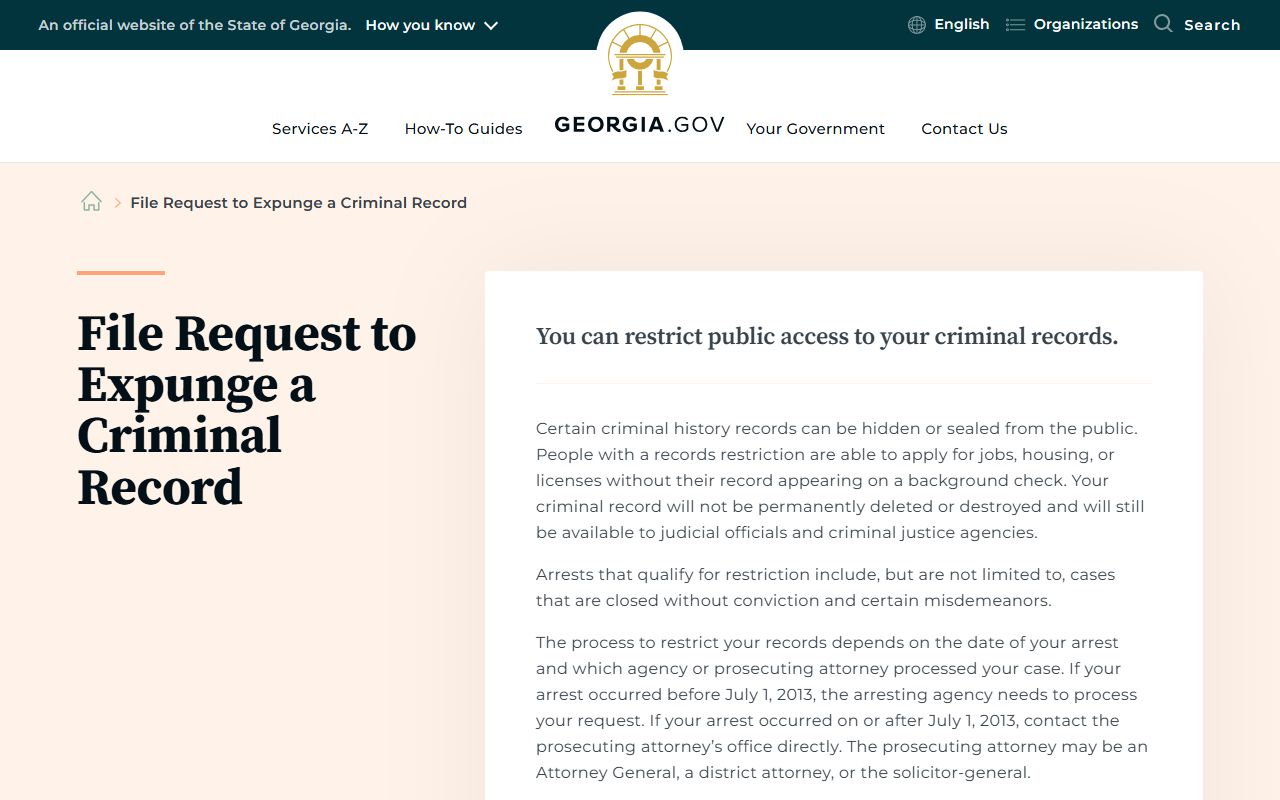
That statewide restriction source is relevant because an arrest record and a court charge can remain visible in different places unless the right agency and court process are addressed.
Twiggs County Charge Status
Charge status terms show what happened after the initial arrest or filing. A Twiggs County charge can start as a roster entry tied to a warrant number and statute, then change after the prosecutor reviews the matter. It can be amended to a different charge, reduced to a lower level, dismissed by the court, dropped by the prosecutor, or end in a plea, trial verdict, sentence, or probation order. The status term should be read in the court record context, not as a stand-alone label.
| Status | What It Means | Where to Verify |
|---|---|---|
| Pending | The charge has not reached a final court outcome. | Relevant court clerk or docket entry. |
| Amended | The charge wording, statute, count, or level changed after filing. | Court order, accusation, indictment, or docket entry. |
| Reduced | The charge moved to a lesser offense or lower severity level. | Plea paperwork, prosecutor filing, or final disposition. |
| Dismissed | The charge was ended by court action or prosecution action. | Disposition entry or signed order. |
| Nolle prosequi | The prosecutor chose not to continue that charge. | Criminal court disposition or prosecutor filing. |
Twiggs Arrest Charge Fields
The current inmates roster is the best confirmed source for visible arrest-to-charge fields. It does not show every detail a court case might contain. It also does not show non-booked persons with active warrants. Still, it provides a useful field inventory for anyone comparing the booking record to a later court charge. The court column can show Superior Court or Magistrate Court, and some supervision hold rows may have blanks.
| Roster or Charge Field | What It Shows |
|---|---|
| Name and status | The booked person's name and whether the person is currently booked. |
| Arrest date and agency | The date of arrest and the arresting agency, such as Twiggs County SO. |
| Total bond | The bond amount or status at booking-row level, such as not set or denied. |
| Warrant number | The warrant or reference number tied to a charge row, when shown. |
| Counts | The number of counts for that listed charge. |
| Statute | A Georgia code citation or supervision code in short form. |
| Description | The charge wording, often in uppercase and sometimes shortened by the system. |
| M/F and court | Misdemeanor or felony indicator plus the associated court when posted. |
Note: A roster charge can later be reduced, dismissed, indicted, accused, pled, or sentenced, so final outcomes belong in court records.
Twiggs Charges vs Convictions
Being charged is not the same as being convicted. An arrest record may show why someone was booked. A court charge may show what the prosecutor filed. A conviction requires a final court outcome, such as a guilty plea, guilty verdict, or other finding that creates a conviction. This distinction is central in Twiggs County because the jail roster may display serious charges before the court record shows whether those charges were proved, reduced, or dismissed.
| Point | Charge | Conviction |
|---|---|---|
| Basic meaning | An accusation after arrest or prosecutor review. | A final court finding or plea that establishes guilt. |
| Common source | Roster, warrant, complaint, accusation, indictment, or docket. | Disposition, sentence, judgment, or conviction record. |
| Can it appear without guilt? | Yes. A person can be charged and later not convicted. | No. It reflects a final conviction outcome unless later changed by court action. |
| How to read it | Check the status and later filings. | Confirm the disposition and sentence. |
Restricted Twiggs Arrest Records
Georgia record restriction can limit public access to eligible criminal history records for non-criminal justice purposes. The GBI states that O.C.G.A. 35-3-37 governs restriction. For arrests after July 1, 2013, the person generally contacts the prosecutor instead of filing a separate arresting-agency application. For older arrests, the starting point may be the arresting agency. In Twiggs County, that may involve the Sheriff's Office for sheriff-side records and the Dublin Judicial Circuit District Attorney for prosecutor review.
The GBI criminal history record restrictions page is the statewide source for Georgia's restriction process and explains that restriction is not the same as deleting every record.
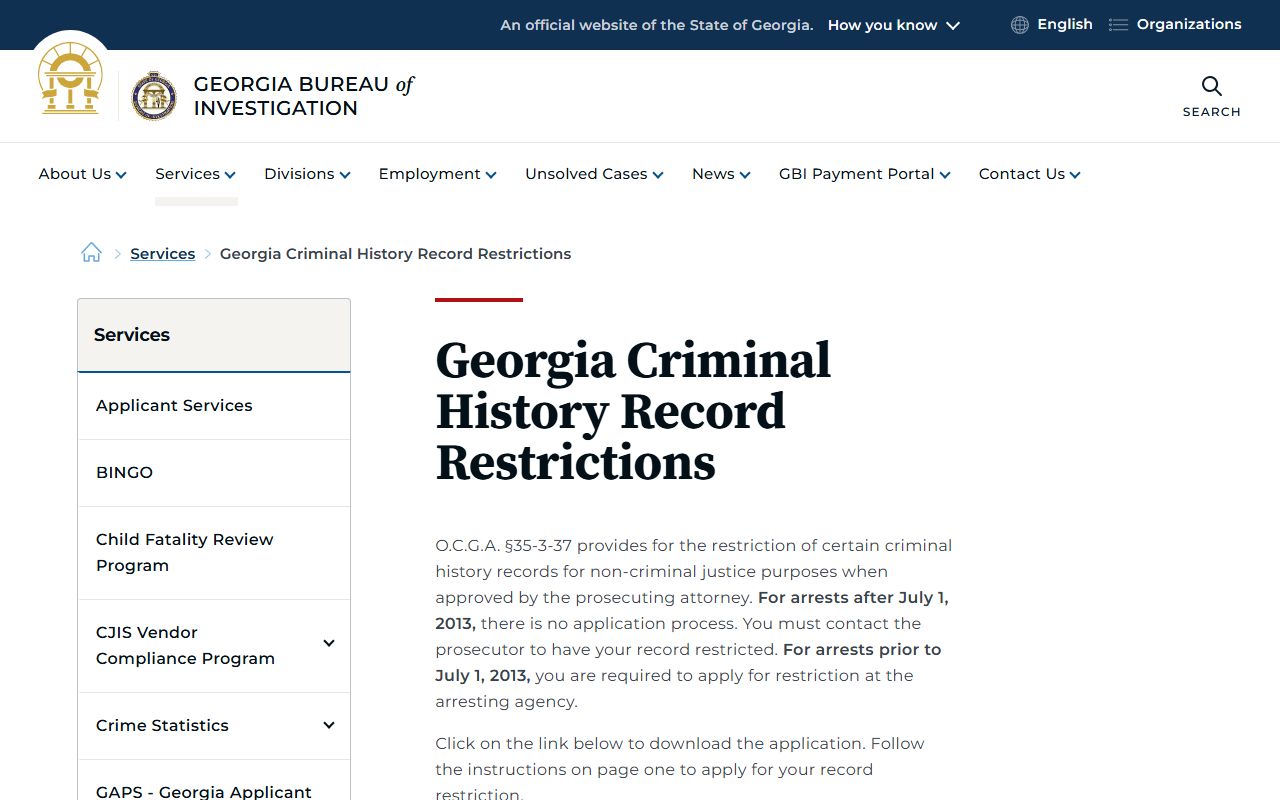
That distinction is especially important when an arrest record, jail roster entry, sheriff report, prosecutor file, and court record may each exist in a different system.
| Record Type | Access Concern | Conservative Twiggs County Route |
|---|---|---|
| Adult arrest record | May be public unless restricted, redacted, or tied to pending limits. | Use the sheriff records custodian or court office that created the record. |
| Juvenile charge | Juvenile access is governed by Georgia juvenile statutes. | Do not treat as an ordinary adult arrest record. |
| Pending criminal case | Discovery may not be available through open records. | Use the DA discovery route when the sheriff page requires it. |
| Restricted criminal history | May be hidden from non-criminal justice use but not destroyed. | Check GBI rules, prosecutor approval, and any needed court sealing action. |
Twiggs Arrest Charge Offices
The sheriff, courts, prosecutor, and public defender each hold different pieces of the arrest-to-charge record. The Twiggs County Sheriff's Office keeps the current inmates roster and handles written requests for sheriff-held incident, crash, booking, and report records. Magistrate Court issues arrest and search warrants and handles first appearances, bond hearings, and preliminary hearings. Superior Court handles felony criminal matters. The Dublin Judicial Circuit District Attorney handles prosecution decisions, and the Dublin Circuit Public Defender handles eligible defense applications.
Important: Do not use a public roster entry as proof of conviction without checking the final court disposition.
Sheriff records can be requested from the Records Custodian, Erica Snelgrove, at the Sheriff's Office. Warrant questions can be directed to Alma Lewis, the Warrants Clerk, through the main sheriff phone. For a court charge tied to Superior Court, call the Clerk of Superior Court at (478) 945-3350. For a Magistrate warrant, first appearance, or bond issue, call Magistrate Court at (478) 945-3428.